PEP BONET
Photographer + Filmmaker + DOP






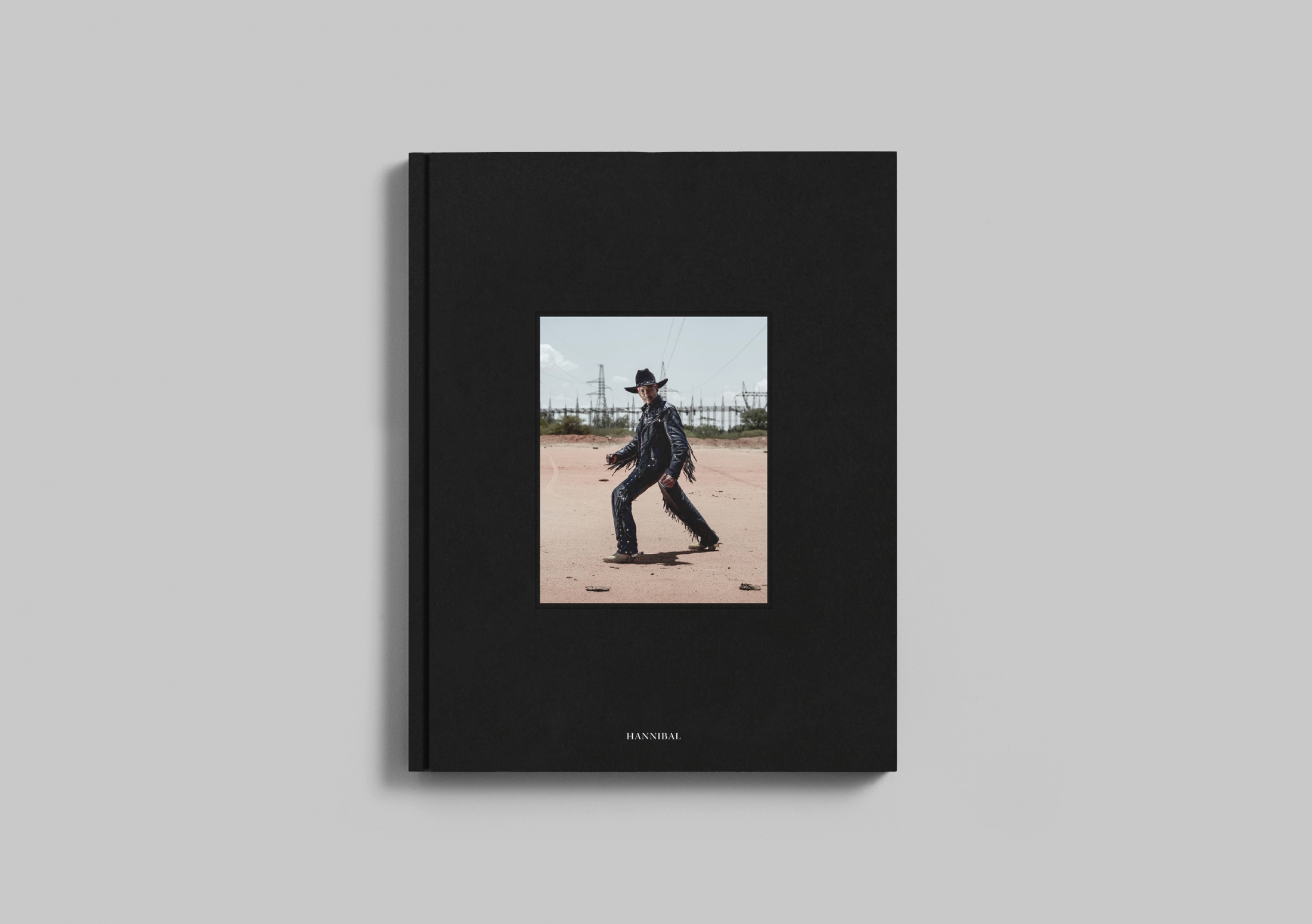
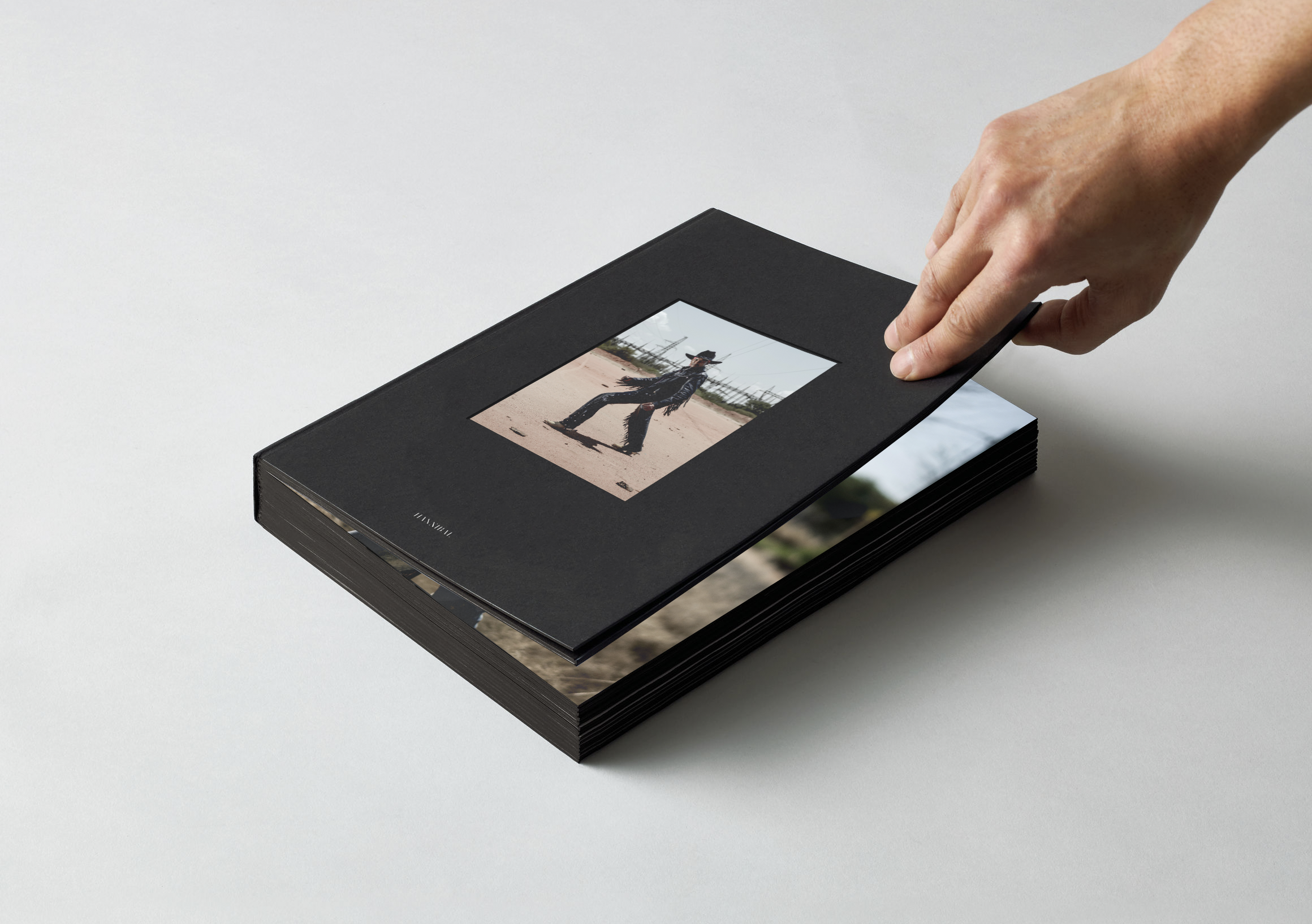
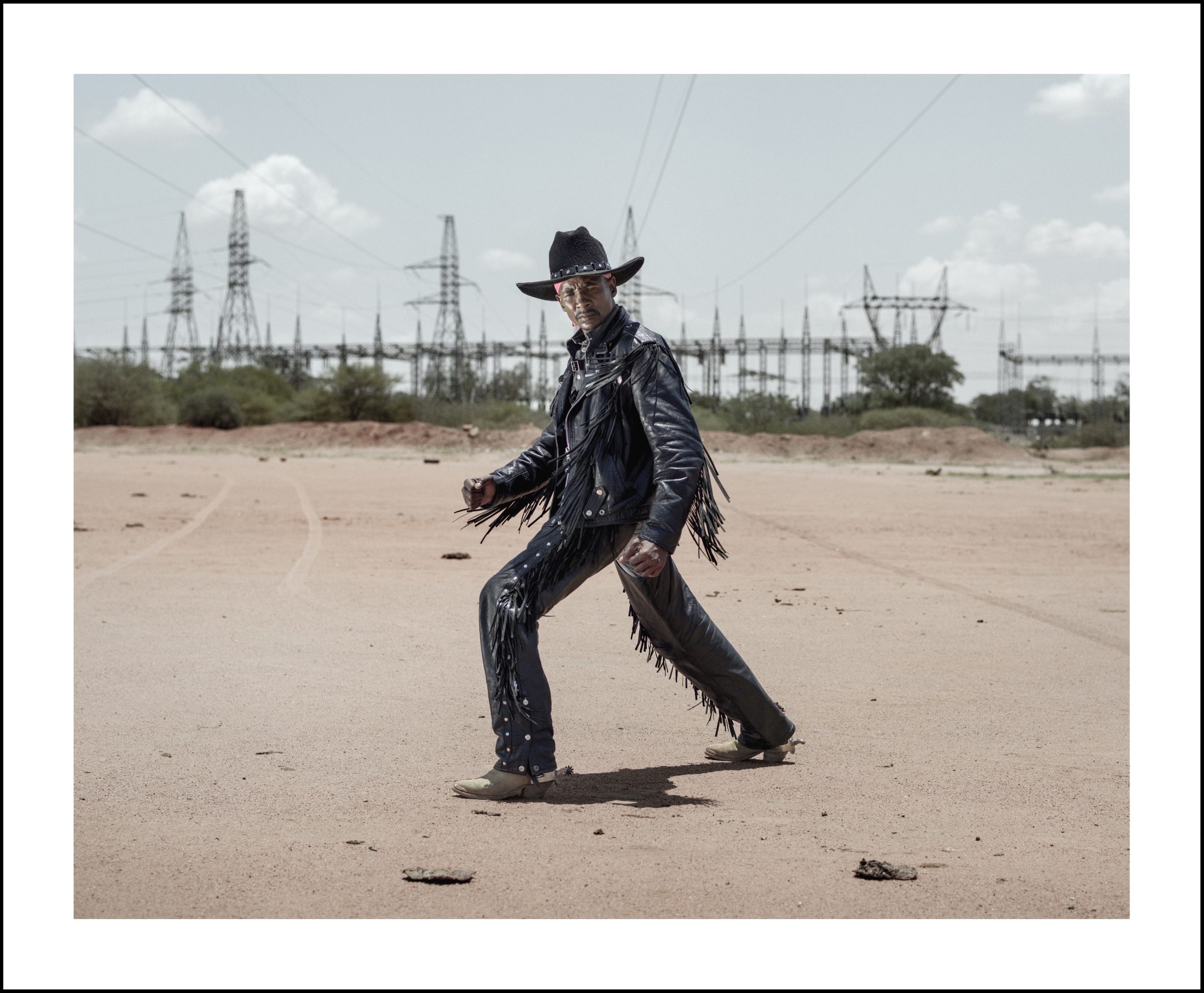
Hellbangers - Book + Original Photograph, numbered, signed and stamped
“Hellbangers is an affirmation that at its core shows the strength and power of the metal community in Africa, and how it connects around the world. These brilliant and exciting photographs draw us into a special and unique story. I feel particularly engaged by the connection with the cradle of civilisation, from the dawn of humanity to the present day, through this lens of metal life as captured by Pep.The love and devotion to the music that these wonderful maniacs show scream out to us with absolute conviction – we are all united by the essence of the metal heart and spirit of the Hellbangers!”— Rob Halford (Judas Priest)
SIGNED BOOK + ORIGINAL PHOTOGRAPH, NUMBERED, SIGNED AND STAMPED ONLY 50 UNITS AVAILABLE Print size: 34 x 28 cm (wide x high)Image size: 30 x 24 cm (wide x high)Original photograph printed on Canson Baryta Prestige 340 gr., an acid-free alpha-cellulose and cotton white paper base with a true barium sulphate coating, which evokes the look and aesthetic feel of traditional darkroom papers.
More info about the book:
Year: 2021
Dimensions: 170 x 220 mm, color on spine, image on front and silk screen
Pages: 128 pages, hardcover
Language: English. All Photography © Pep Bonet, 2021
- Texts: Pep Bonet, Steffan Chirazi, Rob Halford
- Copy-editing: Cath Phillips
- Art direction: Natacha Hofman
- Design: Tim Bisschop
- Coordination: Hadewych Van den Bossche
- Printing: die Keure, Bruges, Belgium
- Binding: Van Mierlo, Nijmegen, The Netherlands
- Color grading by Joan Roig / Cromagnon.tv
€
249
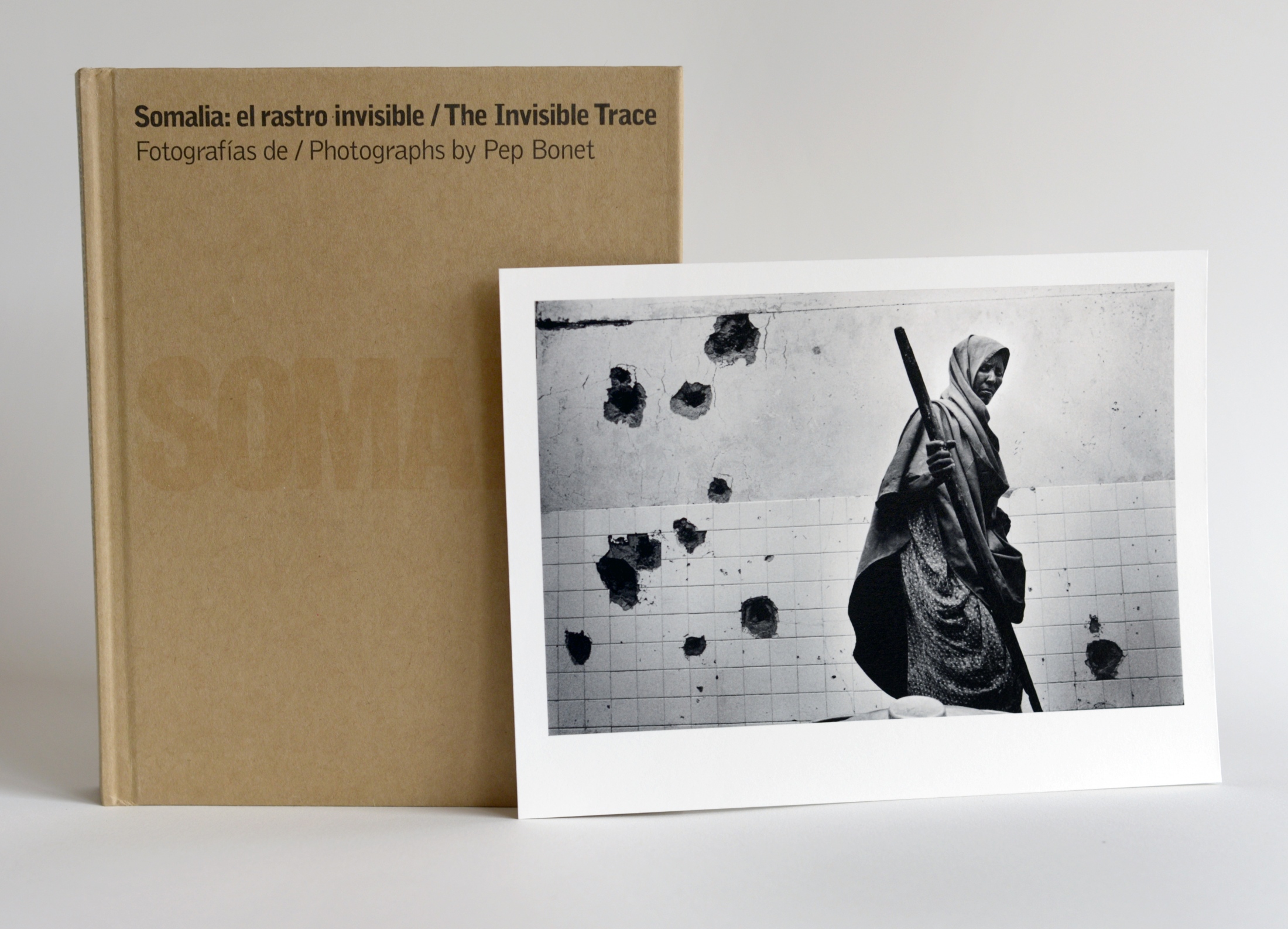
"The invisible trace" book + print
A signed book from "Somalia, The invisible trace" + an original photograph (21 x 16 cm) printed on Baryta 310 g paper. Print is also signed and stamped.
About the book:
Photographs by Pep Bonet
Publisher: Fonart IB Publishing
Language: English / Spanish
Year: 2007
Size: 24 x 16 cm Hard Cover
Pages: 256 pag.
ISBN: 978-84-935726-0-0
Domestic shipping only valid for Spain.
About the book:
Photographs by Pep Bonet
Publisher: Fonart IB Publishing
Language: English / Spanish
Year: 2007
Size: 24 x 16 cm Hard Cover
Pages: 256 pag.
ISBN: 978-84-935726-0-0
Domestic shipping only valid for Spain.
€
50.00
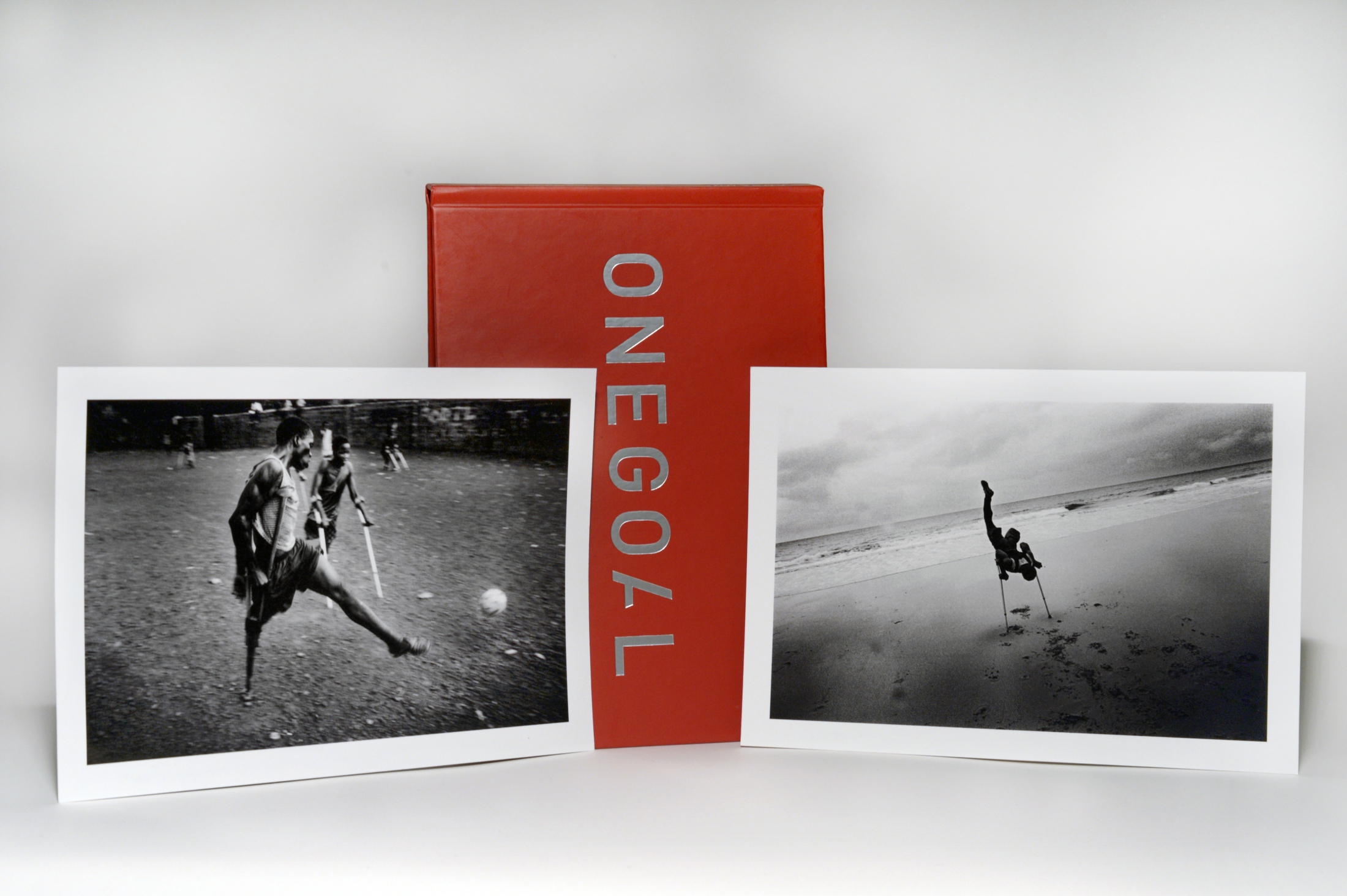
"One Goal" book + print
A signed book from One Goal + an original photograph (you can chose 1 print between the two images)
printed (23 x 17 cm) on Baryta 310 g paper. Print is also signed and stamped.
printed (23 x 17 cm) on Baryta 310 g paper. Print is also signed and stamped.
The book shows my long-term project on Sierra Leone’s amputee’s soccer team. The legacy of Sierra Leone’s civil war (1991-2001) was the use of amputation as a weapon of fear, by both factions. Many of the victims were innocent young men, who were targeted in order to stop them fighting for an opposing side. Through soccer, the youths have regained their pride and self-confidence. Publisher: Fonart IB Publishing 2007 / Format: Hard Cover / Pages: 140 / Size: 180 x 250mm
Language: English / ISBN: 9788493572617
Domestic shipping only valid for Spain.Language: English / ISBN: 9788493572617
€
75.00